

 See My Latest Article on HelloNation
Do Over-the-Counter Whitening Products Work?
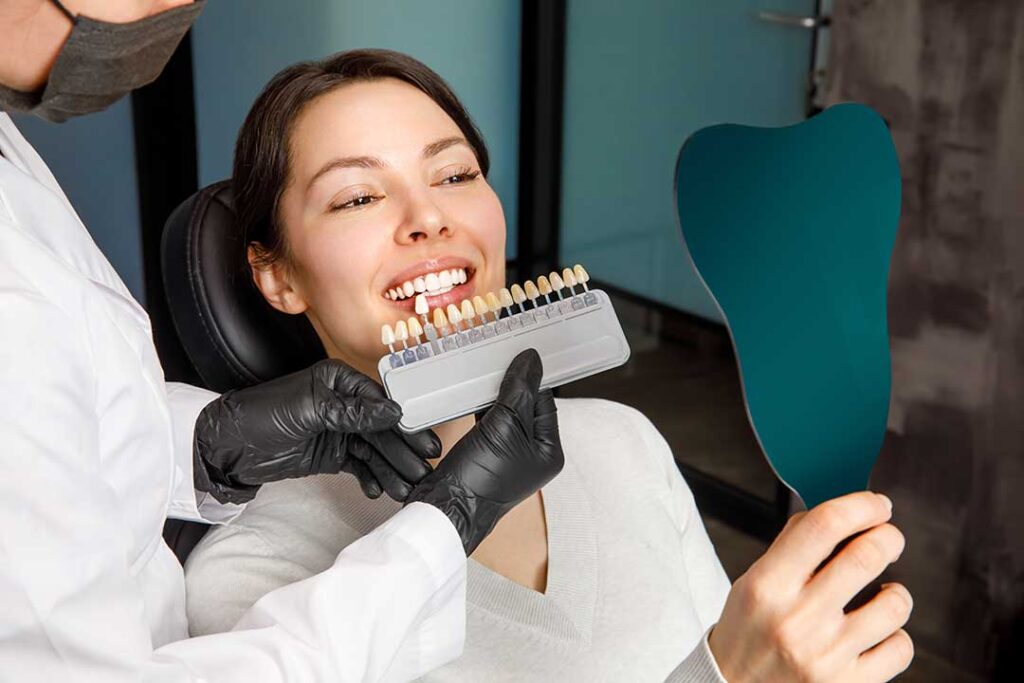
Over-the-counter whitening products can lighten natural tooth color for many users, offering a visibly whiter smile in a few weeks. Their main active ingredients—usually hydrogen peroxide or carbamide peroxide—help break down surface stains from foods, drinks, or tobacco.
Residents in Murfreesboro, TN often ask about effectiveness. Most whitening strips, gels, or toothpaste offer modest results rather than dramatic transformations. The degree of improvement depends on the product’s strength, how consistently it is used, and the type of stains involved. For example, yellowish stains respond better to whitening than grayish or brown discoloration.
What Are the Benefits of Using Over-the-Counter Whitening?
The main advantages fit the needs of many area households looking for quick, affordable options:
- Accessibility: Local shoppers can find whitening kits, strips, or toothpaste at most grocery stores or pharmacies, saving a trip out of town.
- Affordability: These products typically cost much less than professional whitening, making them accessible for families and individuals on a budget.
- Ease of Use: Most kits fit into a regular evening routine at home, requiring just a few minutes per day over one to three weeks.
- Gradual Results: Users can often control how white their teeth become—stopping whenever they reach a comfortable shade.
Because the products are made to be used without supervision, their lower concentrations of peroxide lessen the risk of significant sensitivity or damage when used as directed.
Are There Real Limitations or Safety Concerns?
Yes—limitations are common, and knowing them helps set realistic expectations:
- Results Are Limited: Over-the-counter products usually brighten teeth by one or two shades. Stubborn stains—such as those caused by certain medications or genetics—may not respond.
- Sensitivity: Some users report temporary gum irritation or tooth sensitivity. These symptoms usually resolve after pausing use, but sensitive teeth are more likely in dry winter months and can be more noticeable as households turn on heating indoors.
- Uneven Whitening: Fillings, crowns, and veneers will not whiten like natural enamel. Results may look patchy if dental work is present.
- Product Variability: Without professional guidance, it’s easy to underuse or overuse these products. Not following instructions may produce less consistent results or cause discomfort.
If used excessively or in ways not intended by the manufacturer, even low-strength kits can increase the risk of enamel damage or long-term sensitivity, especially among young adults and teenagers.
Common Questions: Local Habits and Whitening
Area residents sometimes wonder if lifestyle habits or local water quality affect whitening success. In most city neighborhoods, tap water contains safe fluoride levels that help prevent decay. However, high coffee and tea consumption, tobacco use, or even some well water sources can stain teeth over time.
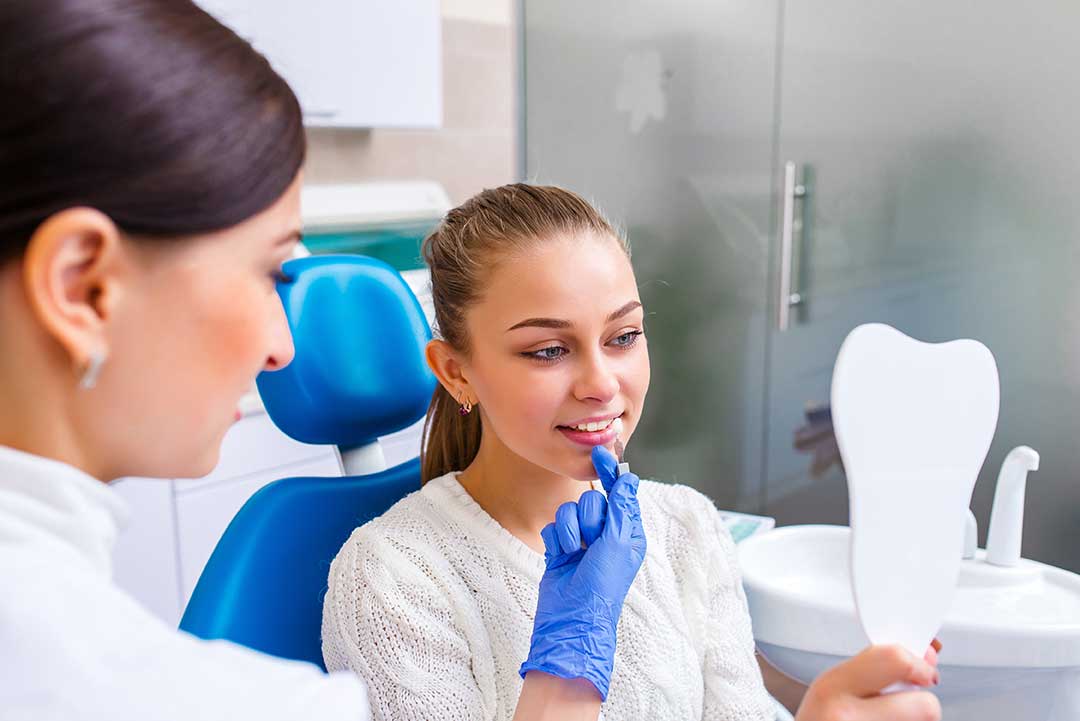
Whitening products generally target these surface-level stains. Those who drink a lot of sweet tea, coffee, or red wine in the community may see better results if they also try to limit new stains during the whitening process. Using a straw, rinsing after dark drinks, and brushing as soon as practical can help preserve results.
Are Over-the-Counter Products Safe for Teens or Older Adults?
For teens, most whitening strips and toothpastes are safe if age guidelines on packaging are followed. Teens with braces or other orthodontics should wait until dental hardware is removed, as whitening cannot reach covered areas.
Older adults in the city who have gums that have receded or dental work such as bridges or partials should check ingredients and directions with a general dentist before starting. Gums or roots that are exposed may be more sensitive to whitening agents.
How Does Local Climate or Housing Affect Whitening Maintenance?
Home environments in Murfreesboro see temperature and humidity swings from season to season, which can indirectly impact tooth sensitivity. For example, turning on central heat in winter often dries the air indoors, which may heighten tooth sensitivity during whitening routines. Using a fluoride rinse or sensitivite-tooth toothpaste before beginning a whitening process may help minimize discomfort.
Households on well water or with older plumbing sometimes experience higher levels of certain minerals, which could cause minor staining or affect taste. While water factors alone rarely block the effects of whitening, they may slightly influence shade changes for regular users.
Are There Any Misconceptions About These Products?
- “They work for everyone.” In reality, genetics, medications, and dental materials all influence success.
- “More is better.” Overusing whitening products may harm enamel, and instructions should always be followed closely.
- “They last forever.” No whitening is permanent. Stain-causing habits can reduce the length of time that results last, so touch-ups are often needed every few months, especially during holidays or in seasons with more dark beverages.
Focusing on gentle, steady use and realistic expectations helps local residents make safe and informed choices about improving their smile at home.