

 See My Latest Article on HelloNation

Are Whitening Strips an Effective Way to Brighten Teeth?
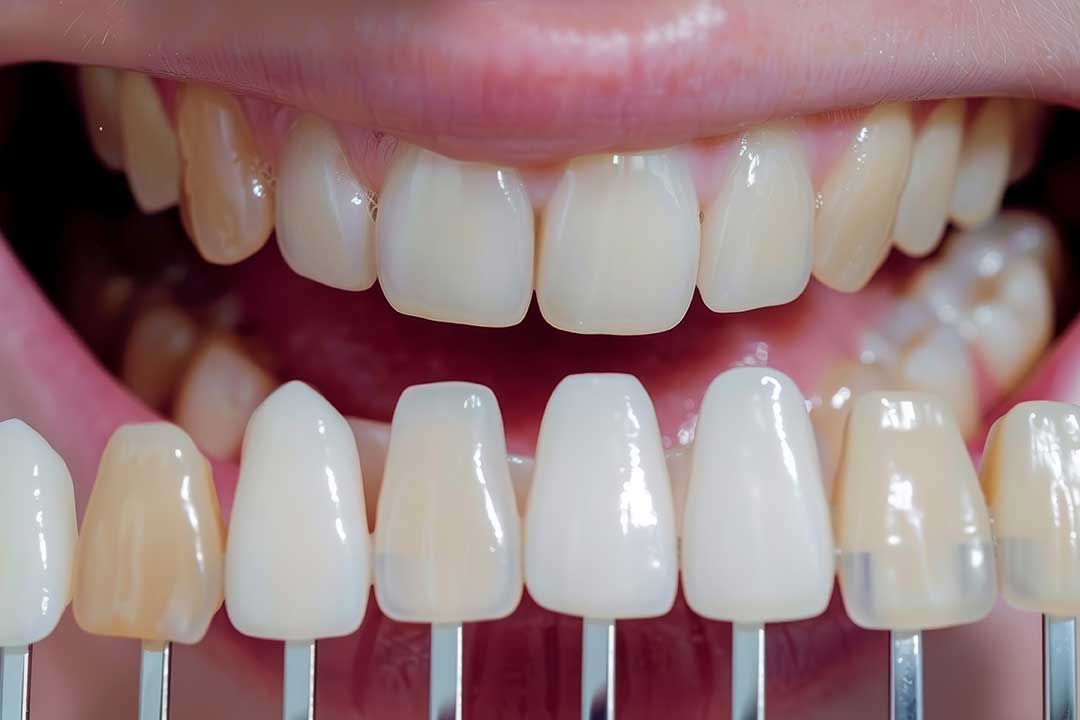
Most people in Murfreesboro, TN considering an at-home boost for their smile ask if whitening strips actually work. Generally, over-the-counter whitening strips do lighten teeth for many users, but the results often depend on the starting tooth color, the type of stains present, and how closely instructions are followed. Whitening strips can provide a modest but noticeable whitening effect, especially for healthy teeth with yellowish rather than gray or brown discoloration.
How Do Whitening Strips Work?
Whitening strips use a thin layer of peroxide-based gel attached to flexible plastic strips. This gel is pressed against the teeth for a set period, usually daily over one or two weeks.
- The peroxide breaks down surface stains and lightens the underlying color of the enamel.
- Most strips are worn for 5 to 30 minutes per day.
- Typical use leads to a shade or two of lightening, especially for recent discoloration caused by coffee, tea, or tobacco.
It's essential to follow the directions on the packaging and avoid overuse, as leaving strips on too long or using them frequently can irritate gums or increase tooth sensitivity.
What Results Can Local Residents Expect?
Murfreesboro residents often have similar outcomes with whitening strips as those in other regions, but climate and lifestyle factors—such as enjoying sweet tea, iced coffee, or local barbecue—may contribute to more frequent staining. Whitening strips tend to work best on natural teeth with yellowish hues rather than gray, brown, or spotty stains.
Practical expectations:
- Most users see some mild to moderate whitening after a full course (typically 1–2 weeks).
- Results are less dramatic than professional whitening but provide a visible freshening of the smile for many people.
- Those with bonded dental work, crowns, or veneers won’t see those areas change color, so results may be uneven if previous dental work is present.
Are There Safety Concerns?
When used according to directions, whitening strips are generally safe for healthy older teens and adults. Sensitivity and gum irritation are the most common side effects, often temporary and mild.
If teeth are sensitive year-round due to frequent temperature changes or past dental work, it’s wise to pay close attention to any increase in discomfort and temporarily stop if symptoms become bothersome. Residents using well water with high mineral content or those with a history of tooth decay should recognize that whitening can aggravate sensitivity or expose areas of weakness.
Avoid sharing strips and do not apply them over orthodontic appliances, major restorations, or damaged tooth surfaces.
How Long Do the Results Last?
Results from whitening strips usually last several months, but the actual duration varies according to individual habits and oral care routines. Frequent exposure to foods or drinks that stain (such as tea, soda, or berries), as well as tobacco use, can cause the effects to fade more quickly.
In humid climates such as Middle Tennessee, routine oral hygiene is especially important for maintaining gains, since sugars and acids from seasonal fruits or sweet beverages can encourage plaque and new stains.
Who Should Avoid Whitening Strips?
Certain people should skip this approach:
- Children, especially under age 13 (enamel is still developing)
- Pregnant or breastfeeding individuals, as a precaution
- Anyone with untreated cavities, gum disease, or ongoing dental pain
Murfreesboro residents considering whitening who have other dental issues—like sensitivity from cold winds in winter or recent fillings—should seek dental guidance before starting.
What Myths or Misconceptions Exist About Whitening Strips?
Many believe all whitening strips deliver the same results, but ingredients and application times vary between brands and product lines. Another misconception is that whitening strips work equally well for all stains—strips are most effective for yellowish, surface-level discoloration, and much less so for deeper or uneven dark patches caused by medications or past trauma.
Whitening strips cannot provide the dramatic, long-lasting result of professional whitening, nor can they lighten crowns, fillings, or bonding. Overusing strips doesn’t mean a whiter smile—frequent use can instead increase tooth sensitivity or gum trouble.
Are There Alternatives That Might Work Better?
For residents who don’t respond well to over-the-counter whitening strips or who have special esthetic concerns due to older dental work, other whitening options exist. Customized trays, in-office procedures, or professionally supervised methods can address deeper or more stubborn staining but generally require a dental visit and more oversight.
Some households find that simply improving daily brushing and avoiding certain stain-causing foods and drinks is enough to maintain a brighter smile between whitening treatments.
What Should Residents Know Before Trying Them?
Those interested in whitening strips should read all instructions carefully and check the expiration date on the package. Testing for a few days can help gauge sensitivity before committing to a full course of treatment. Avoid eating or drinking for at least 30 minutes after use, and watch for any ongoing discomfort.
If unsure about previous dental work or possible risks, it is always appropriate to get a dental checkup to identify any underlying problems beforehand.