

 See My Latest Article on HelloNation
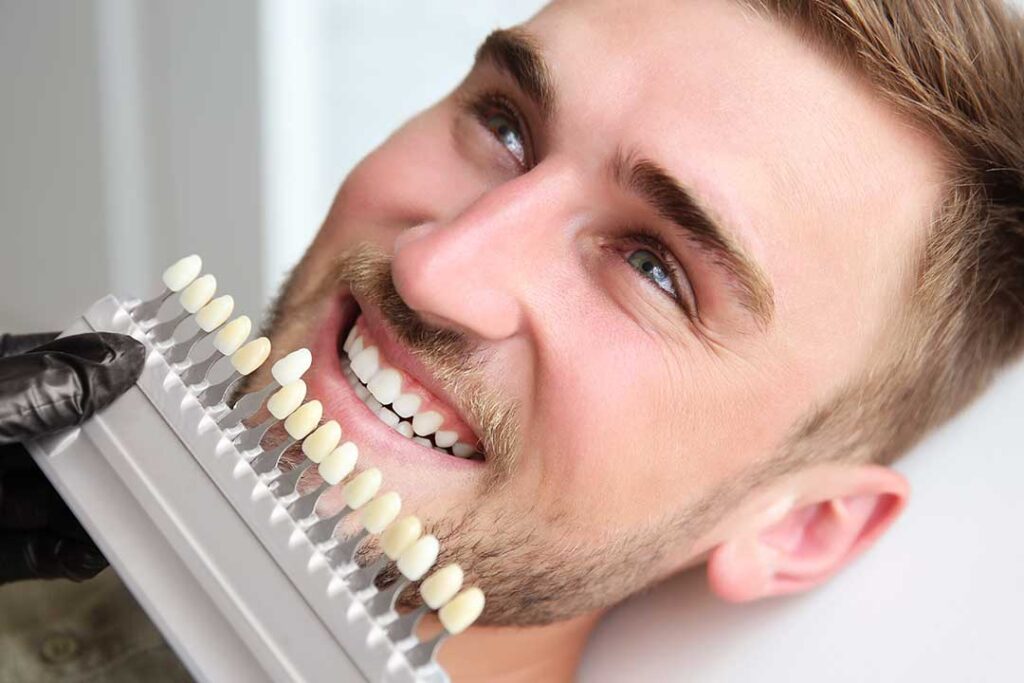
What Are Dental Veneers and Why Is Special Care Needed?
Dental veneers are thin shells placed on the front of teeth to improve appearance or correct issues like chips, stains, and spacing. Veneers in Murfreesboro, TN are typically made of porcelain or composite materials, and, while durable, they aren’t indestructible. Proper care is essential for them to look natural and last for many years. Residents should know that the climate, local water mineral content, and common dietary habits may also subtly influence the care routine.
How Should You Clean Dental Veneers at Home?
Gentle, consistent cleaning protects both veneers and natural teeth. Brushing twice a day with a soft-bristled toothbrush and low-abrasive toothpaste prevents scratches and buildup. Flossing is just as important. Many in the community wonder if veneers require special products, but in most cases, standard gentle brushing and flossing techniques suffice. Abrasive whitening toothpastes or vigorous scrubbing can wear down the glaze, so these should be avoided.
A common misconception is that veneers cannot stain. While porcelain resists discoloration, bonding material at the edges can pick up stains from strong coffees, teas, or local foods with rich pigments.
Are There Foods or Habits to Avoid with Veneers?
Certain foods and habits accelerate wear and tear. Veneers are strong, but they can still chip or crack under extreme force. Residents should be cautious with hard foods like ice, hard candies, and bones—biting into these directly risks damaging both veneers and underlying teeth.
It’s also wise to avoid using teeth as tools (for opening packaging, for example). Local habits such as chewing on pens or fingernails, which some develop during long commutes or meetings, can increase the risk of small fractures. Sticky foods may pull at the edges and loosen bonding, especially during hot and humid periods when adhesives might be more sensitive to expansion and contraction.
Habits to avoid:
- Chewing ice or hard candy
- Biting fingernails, pens, or other non-food items
- Opening things with teeth
- Excessive red wine, black tea, or coffee intake
How Does Local Water Quality Affect Veneer Maintenance?
Murfreesboro’s tap water is treated and generally safe, but the mineral content may cause more noticeable residue or film on veneers than in some other regions. This mineral buildup doesn’t usually damage veneers, but it can make them appear dull and may be mistaken for staining. Regular rinsing and careful brushing help keep veneers clear and bright.
Frequent users of well water should be aware that higher mineral content (calcium, magnesium) can also contribute to buildup. Filters or regular cleaning with low-abrasive polishers may minimize these effects.
What If You Grind Your Teeth or Clench at Night?
Teeth grinding (bruxism) or jaw clenching is common and often happens unconsciously. Over time, these habits put excessive pressure on veneers, causing them to chip, crack, or come loose. Residents who notice headaches, jaw soreness, or flattened biting surfaces should consider discussing protective nighttime options with a dental provider, such as fitted mouthguards.
Ignoring this issue can undo even careful veneer maintenance, shortening lifespan and requiring more frequent repairs.
How Can Seasonal Allergies or Sinus Issues Affect Veneer Care?
Middle Tennessee residents often experience seasonal pollen, which can lead to mouth breathing or dry mouth. Reduced saliva flow increases plaque buildup, making it harder to keep veneers and gumlines clean. Simple adjustments, such as rinsing with water after time outdoors or using a humidifier indoors, support overall oral health during high-allergy seasons.
Staying hydrated also helps because dry conditions raise the risk of gum inflammation around veneers, which can threaten their fit and longevity.
Are Routine Dental Visits Different with Veneers?
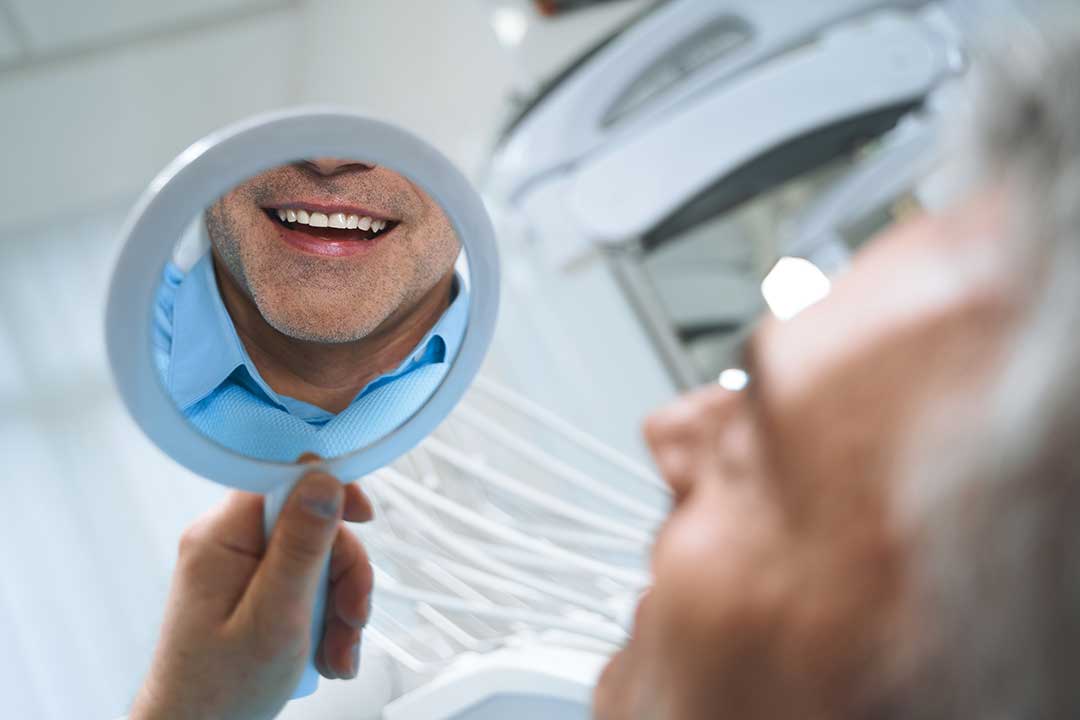
Regular checkups remain essential. During a cleaning, dental teams use non-abrasive polishers to avoid scratching veneers. Residents should ensure their provider is informed about which teeth have veneers, as it influences the choice of cleaning tools and methods.
Professional cleanings address stain and mineral buildup more effectively than home care alone. Additionally, regular exams catch any early issues such as chipping, weak bonding, or underlying tooth health concerns that could affect the fit or appearance of the veneers.
What Are Long-Term Signs to Watch For?
With time, some changes may indicate veneers need attention:
- Unexplained sensitivity to temperature (could indicate a weakened bond)
- Chips, cracks, or rough spots
- Gum recession exposing the edge of the veneer
- Persistent staining at the margins
- Wobbling or looseness
Most of these problems result from normal wear, changes in bite, or underlying tooth and gum health shifts, rather than the veneer alone. Early detection and targeted care can prevent further issues.
How Can Local Lifestyle Patterns Support Better Veneer Health?
Community members frequently participate in local sports, outdoor gatherings, and seasonal events. Using properly fitted sports mouthguards during contact activities shields veneers from accidental injuries. Staying mindful of snacking habits during outdoor festivals—by opting for foods less likely to stain or chip teeth—also goes a long way.
Small, daily actions—regular cleaning, mindful eating, staying hydrated, and adapting routines for the area’s climate—are the foundation of long-lasting, attractive veneers in residential and professional settings.