

 See My Latest Article on HelloNation
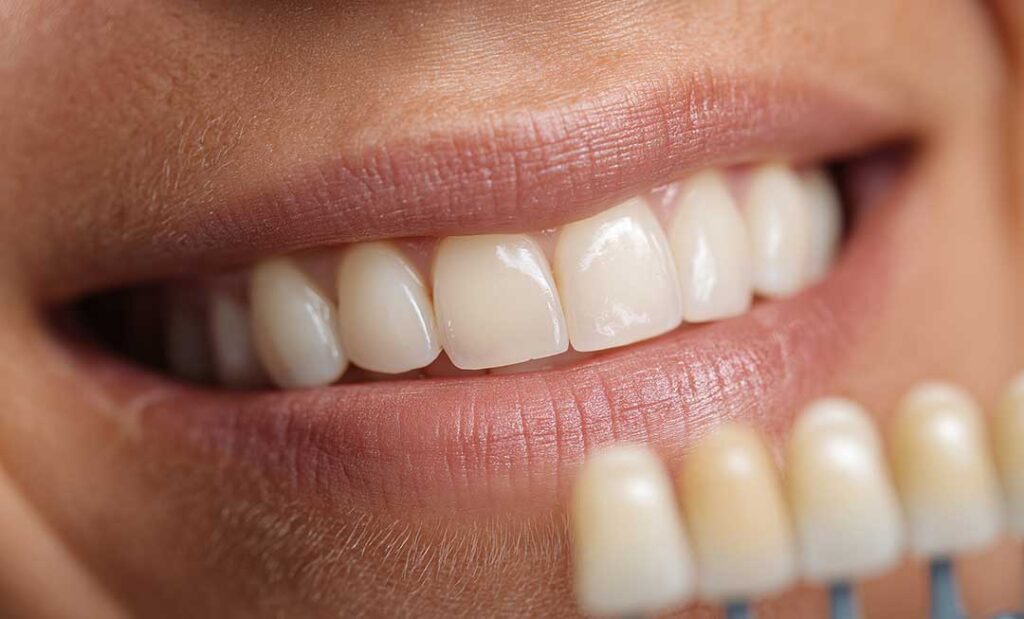
What Are Safe Ways to Whiten Teeth at Home?
Safe teeth whitening at home relies on methods that gently lift stains without harming your enamel or gums. Many local residents find that choosing dentist-approved techniques and over-the-counter options is a reliable way to address common concerns about natural or store-bought whiteners.
Most at-home whitening options fall into these categories:
- Whitening toothpastes with gentle polishing agents
- Whitening strips or trays with low-concentration peroxide
- Simple lifestyle changes to reduce future stains
Homemade remedies, like baking soda or hydrogen peroxide rinses, are commonly discussed but carry risks if used improperly. Consistent, gentle routines work better and are safer than aggressive treatments.
Which Daily Habits Protect Against Staining?
Establishing simple habits is the most effective strategy to preserve a brighter smile over time, especially considering Murfreesboro’s climate and shared lifestyle patterns. Tea, coffee, and local favorites like iced teas or dark sodas tend to stain teeth over time, especially when sipped repeatedly throughout warm months. Rinsing with water after consuming staining drinks, and not brushing teeth immediately after acidic foods (which can erode enamel), helps minimize ongoing discoloration.
Practical habits include:
- Brushing twice a day with a soft-bristled brush
- Flossing daily to prevent buildup that can darken teeth
- Drinking plenty of water, especially after meals and snacks
- Swapping acidic or heavily pigmented beverages for lighter choices when possible
How Can Store-Bought Whitening Products Be Used Safely?
Whitening strips and gels available at pharmacies and supermarkets usually contain carbamide peroxide or hydrogen peroxide at low strengths. Used as directed, these can be effective for light to moderate stains.
To use these products safely in local households:
- Read the label and follow time limits to avoid gum irritation or increased sensitivity
- Don’t exceed the recommended frequency—using them more often won’t speed up results and can cause damage
- Monitor for tooth sensitivity; take a break or space out treatments if discomfort occurs
- Look for products with an American Dental Association (ADA) seal if available
Products like whitening mouthwashes and toothpastes usually produce subtle results and work best for those with mild surface stains, particularly when combined with the healthy habits mentioned earlier.
Are Natural Remedies Like Baking Soda or Oil Pulling Effective?
DIY approaches like brushing with baking soda or trying oil pulling (swishing oil in your mouth) are widely discussed but have mixed scientific support. While baking soda is a mild abrasive and can help clean surface stains, overuse can wear down protective enamel, especially when used more than a few times a week. Oil pulling has limited clinical evidence for whitening and is better known for freshening breath.
Safer, natural approaches include:
- Limiting use of baking soda and always diluting it with water
- Choosing foods naturally high in fiber (like crunchy fruits and vegetables), which gently scrub teeth as you chew
Residents interested in natural approaches should remember that overnight changes are unlikely and some online trends can be misleading or even risky.
How Does the Local Water Supply Affect Teeth Whitening?
Murfreesboro’s water supply is fluoridated, supporting stronger enamel for most area households. Fluoride is beneficial for general tooth health but does not influence the success of whitening products. Residents with well water lacking fluoride may notice more susceptibility to yellowing or cavities, making gentle whitening routines and regular fluoride toothpaste even more essential.
Those using well water can check with local municipal sources about recommended supplements or fluoride rinses to maintain enamel strength when considering any whitening routine.
What Are the Limits of At-Home Whitening?
At-home methods are best suited for surface staining caused by foods, drinks, age, or tobacco. Deeper, intrinsic discoloration—due to medications, trauma, or naturally darker dentin—generally won’t respond to OTC whiteners or natural remedies. Those with dental restorations (crowns, veneers, bonding) will also find these products only affect natural tooth enamel, not dental materials.
Some situations when home whitening isn’t recommended include:
- Large cavities, untreated gum disease, or severe tooth sensitivity
- Pregnancy or nursing, as safety data is limited for peroxide exposure
- Children under the age of 14, whose enamel is still developing
Residents noticing dark spots, uneven color, or discomfort should address underlying dental health issues before pursuing cosmetic changes.
What Are Common Misconceptions About Whitening?
Many people in the community expect instant results or believe that stronger products work faster and safer. In reality, aggressive treatments can cause sensitivity, irritation, or permanent enamel loss. Whitening should always be gradual. Another widespread myth is that “natural” is always safer—many homemade pastes are too harsh for regular use. Effective home whitening balances patience and moderation above all.
Additionally, rinsing with hydrogen peroxide or using activated charcoal pastes has not shown strong support for safety with routine use, and these methods often don’t outperform properly used ADA-accepted products.
What Does a Typical Whitening Routine Look Like for Area Households?
A reasonable, step-by-step home whitening routine for local residents might include:
- Brushing twice daily with fluoride toothpaste and a whitening paste a few times per week
- Flossing once a day to minimize buildup and maximize even color
- Using whitening strips for up to two weeks, as directed, once or twice per year
- Drinking water after consuming staining foods or drinks, especially after events, parties, or outdoor gatherings in the city
- Avoiding harsh scrubs or daily use of abrasive powders, regardless of local trends
Sticking to gentle routines and adjusting habits is the safest, most practical way for Murfreesboro residents to maintain a brighter, healthier smile at home, regardless of season or lifestyle.