

 See My Latest Article on HelloNation
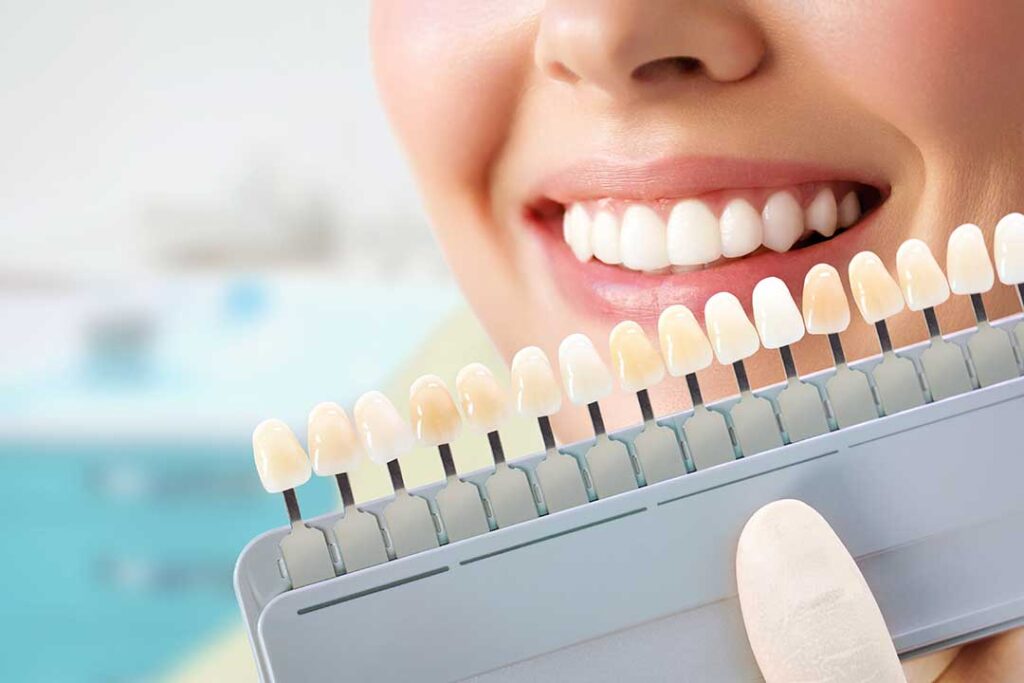
Dental bonding is a cosmetic and restorative dental procedure that uses tooth-colored composite resin to improve the appearance or shape of a tooth. It can repair small chips, close limited gaps, cover discoloration, and make uneven teeth look more uniform.
For many people, bonding lasts about three to ten years. Some repairs remain useful longer, while others need polishing, touch-ups, or replacement sooner. The expected lifespan depends on the tooth’s location, the size of the repair, eating habits, oral hygiene, and whether the teeth are exposed to extra pressure.
What is dental bonding?
Dental bonding involves placing a tooth-colored resin directly onto the tooth. The material is shaped to match the surrounding teeth, hardened with a curing light, and polished so the finished surface feels natural.
Unlike a crown or veneer, bonding usually requires little or no removal of healthy enamel. That makes it a relatively conservative option for minor cosmetic changes. It is also generally reversible because the natural tooth structure is largely preserved.
Bonding may be used to:
- Repair a small chip or worn edge
- Improve the shape of a short or uneven tooth
- Reduce the appearance of a small gap
- Cover mild discoloration
- Protect a small area of exposed tooth structure
- Smooth a rough or irregular surface
- Make teeth appear more even in size
It is not the same as orthodontic treatment, whitening, or a crown. Bonding changes the visible surface of a tooth, but it does not move teeth into new positions or correct extensive structural damage.
How is the procedure performed?
Dental bonding is commonly completed in one visit, although the exact time depends on the number of teeth and the complexity of the work.
The tooth is first cleaned and selected for the appropriate resin shade. The surface may be lightly prepared so the material can adhere properly. A conditioning liquid and bonding agent are applied, followed by the composite resin.
The resin is placed in layers and molded by hand. Once the shape and bite are acceptable, a curing light hardens the material. The final step involves trimming and polishing the bonded area.
There is usually no recovery period. Mild sensitivity or gum tenderness may occur temporarily, but many people return to normal activities immediately.
How long does dental bonding last?
Most cosmetic bonding lasts approximately three to ten years, although there is no guaranteed expiration date. A small repair on a front tooth may remain intact for many years, while bonding on a biting edge can experience more wear.
The repair may not fail all at once. Instead, it may gradually develop:
- Minor staining
- A rough or dull surface
- A small chip
- A visible edge where the resin meets the tooth
- Slight changes in shape from normal wear
A dentist may be able to polish or repair a limited problem rather than remove all of the existing material. Larger fractures, decay beneath the bonding, or repeated damage may require a more extensive restoration.
What affects the lifespan of bonding?
The location and size of the repair are major factors. Bonding on a front tooth often receives less chewing pressure than bonding on a molar. Repairs that restore a large portion of a tooth generally face more stress than small cosmetic additions.
Personal habits also matter. Biting fingernails, chewing ice, opening packages with the teeth, or frequently chewing hard objects can increase the chance of chipping. People who clench or grind their teeth may also put unusual force on bonded areas, especially while sleeping.
Food and drinks can affect appearance. Composite resin is somewhat stain-resistant, but it does not resist discoloration as well as natural enamel or porcelain. Coffee, tea, dark-colored sauces, tobacco, and other strongly pigmented substances may gradually darken the resin.
Murfreesboro, TN experiences hot, humid summers and changing seasonal conditions. Weather itself does not normally damage dental bonding, but seasonal routines can influence habits such as drinking iced beverages, consuming sports drinks, or changing oral care patterns while traveling or spending more time outdoors. The bigger concerns remain pressure, staining, plaque, and untreated tooth problems.
Is dental bonding stain-resistant?
Bonding resists some staining but is not completely stain-proof. The polished surface can become discolored over time, particularly if it is frequently exposed to dark beverages or tobacco.
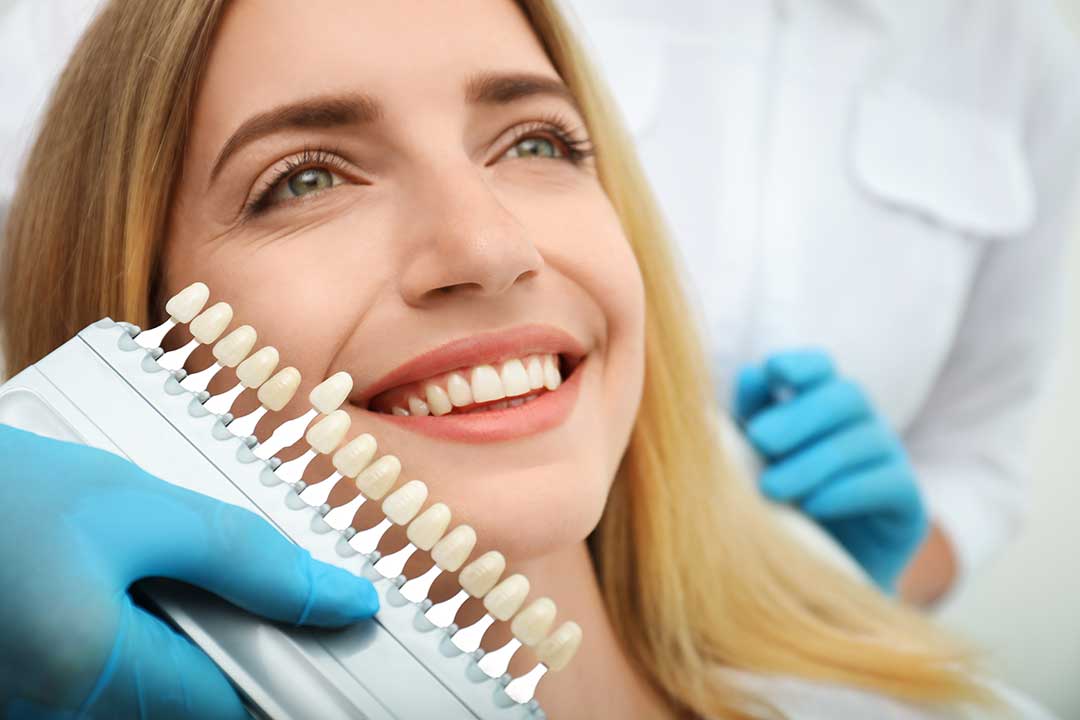
Whitening treatments can lighten natural teeth but generally do not change the color of existing bonding. If the surrounding teeth are whitened after bonding has been placed, the resin may appear darker by comparison. For that reason, the desired tooth shade and any planned whitening are worth considering before cosmetic bonding is completed.
A bonded tooth that changes color from within may also indicate decay, trauma, or another dental problem. Surface staining and internal discoloration do not always have the same cause.
How can bonding last longer?
Good daily care helps protect both the resin and the natural tooth underneath it. Brush twice daily with fluoride toothpaste, clean between the teeth, and keep regular dental examinations appropriate for individual oral health needs.
To reduce unnecessary stress on bonded teeth:
- Do not bite ice, pens, fingernails, or hard packaging
- Avoid using front teeth to tear or cut objects
- Be cautious with very hard foods
- Wear a prescribed night guard if grinding or clenching is present
- Rinse with water after strongly staining foods or drinks
- Address tooth decay or gum inflammation promptly
Bonding should still be cleaned like a natural tooth. Plaque can collect around its edges, and decay can develop in the surrounding tooth even when the resin itself remains intact.
Is dental bonding better than veneers?
Neither option is automatically better for every situation. Bonding is usually more conservative and easier to repair, but it may stain or chip more readily. Porcelain veneers are more resistant to discoloration and may last longer in suitable cases, but they require more planning and often involve removing some enamel.
Bonding is generally better suited to small or moderate changes. Veneers or crowns may be considered when a tooth has extensive damage, severe discoloration, unusual shape, or a need for greater coverage. The condition of the tooth, the bite, the amount of enamel available, and the person’s habits all influence the decision.
When should bonded teeth be checked?
A bonded tooth should be evaluated if it becomes sharp, painful, loose, noticeably discolored, or different in the way it contacts the opposing teeth. A sudden chip may expose the natural tooth or create an area that collects plaque.
Pain is not expected simply because bonding is aging. Sensitivity, swelling, persistent discomfort, or a darkening tooth may point to a separate issue that needs attention. A repair that looks acceptable from the front can still have problems along an edge or beneath the gumline.
For residents and households in the area, the most useful expectation is straightforward: dental bonding can provide a natural-looking, minimally invasive improvement, but it is not permanent. With reasonable habits and consistent oral care, many bonded repairs remain functional for several years before they need maintenance.