

 See My Latest Article on HelloNation
Clear aligners can improve the appearance and position of teeth, but the treatment model matters as much as the trays themselves. A mail-order program such as SmileDirectClub was designed around remote care and at-home impressions, while in-office treatment includes an examination, diagnostic records, customized planning, and ongoing clinical supervision.
There is also an important current distinction: SmileDirectClub stopped operating in December 2023 after filing for bankruptcy in September 2023. The broader comparison remains useful because other direct-to-consumer aligner programs may use a similar remote-treatment approach.
What was the difference between SmileDirectClub and in-office treatment?
SmileDirectClub generally provided clear aligners through a remote-care model. Customers could begin with an at-home impression kit or an off-site scan, and treatment was managed primarily through digital communication, mailed aligners, and customer-submitted progress information.
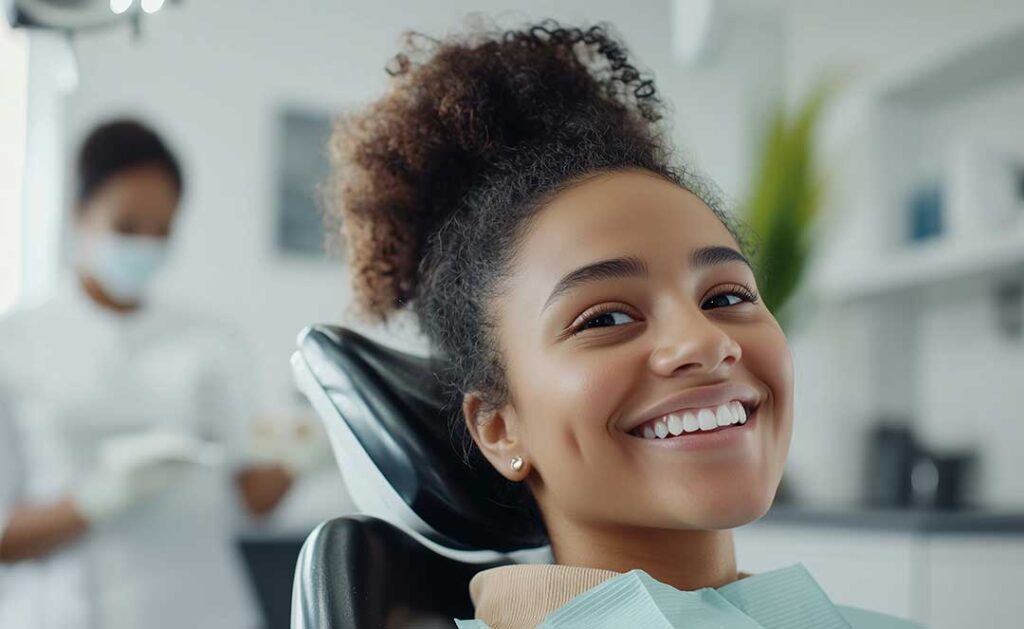
In-office clear aligner treatment begins with an examination by a licensed dentist or orthodontist. Depending on the situation, records may include:
- Digital scans or physical impressions
- Photographs of the teeth and gums
- X-rays
- Bite and jaw evaluation
- Review of cavities, gum health, worn teeth, fillings, crowns, and previous orthodontic treatment
The difference is not simply where the aligners are delivered. It is whether a dental professional has enough information to diagnose the entire mouth and monitor how the teeth, roots, gums, and bite respond.
Are direct-to-consumer aligners still available?
Some direct-to-consumer orthodontic services continue to operate, although business models and supervision policies vary. A company may advertise remote treatment while involving a licensed dentist or orthodontist somewhere in the process. That does not necessarily mean the patient receives the same level of in-person evaluation as someone treated inside a dental office.
Consumers should ask specific questions rather than relying on general claims such as “doctor-directed” or “3D monitored.”
Useful questions include:
- Is an in-person examination required before treatment?
- Are dental X-rays reviewed before teeth are moved?
- Who is responsible for diagnosis and treatment decisions?
- How often can the patient be examined in person?
- What happens if an aligner does not fit?
- Is there a plan for cavities, gum disease, broken attachments, or bite changes?
- Who handles urgent problems?
- What happens if the company closes or the supervising provider becomes unavailable?
A remote consultation can be part of modern dental care, but it may not replace an in-person evaluation when tooth movement is being planned.
Why does an examination matter before teeth are moved?
Straightening teeth is a biological process, not just a cosmetic adjustment. Aligners place controlled pressure on teeth, and the surrounding bone and gum tissues must respond. A treatment plan that looks acceptable in a photograph may still be unsuitable for the underlying bite or dental health.
An examination can identify issues such as:
- Untreated cavities
- Gum inflammation or bone loss
- Cracked or heavily worn teeth
- Impacted teeth
- Weak roots or unusual root positions
- A bite that requires more than simple tipping of the front teeth
- Jaw-joint symptoms
- Existing crowns, bridges, implants, or dental restorations that affect movement
X-rays are especially useful because photographs and scans cannot show everything beneath the gumline. A patient may have a hidden infection, bone concern, or root-position issue that changes whether aligners are appropriate.
Is in-office treatment always better for minor cosmetic changes?
Not necessarily. Some adults have mild crowding or spacing that can be treated with a relatively simple aligner plan. In those cases, the treatment may be shorter and less complex than full orthodontic care.
However, “minor” does not always mean “risk-free.” Moving only the visible front teeth can affect the bite behind them. A plan that creates a straighter appearance may also produce unwanted contact between teeth, gum recession, open spaces, or difficulty chewing.
In-office care does not guarantee a perfect result, but it gives the treating provider more opportunities to identify problems early and modify the plan. The level of supervision should match the complexity of the case.
What are the practical advantages of in-office aligners?
The main advantage is clinical oversight. Patients can have their progress checked directly, and the plan can be changed if teeth do not move as predicted.
Other practical differences may include:
- Refinements when the original series does not produce the planned result
- Attachments or small tooth-colored features to improve movement
- Enamel shaping when clinically appropriate
- Coordination of aligners with fillings, crowns, or other dental care
- Monitoring of gum health and bite changes
- More direct help with lost, damaged, or poorly fitting trays
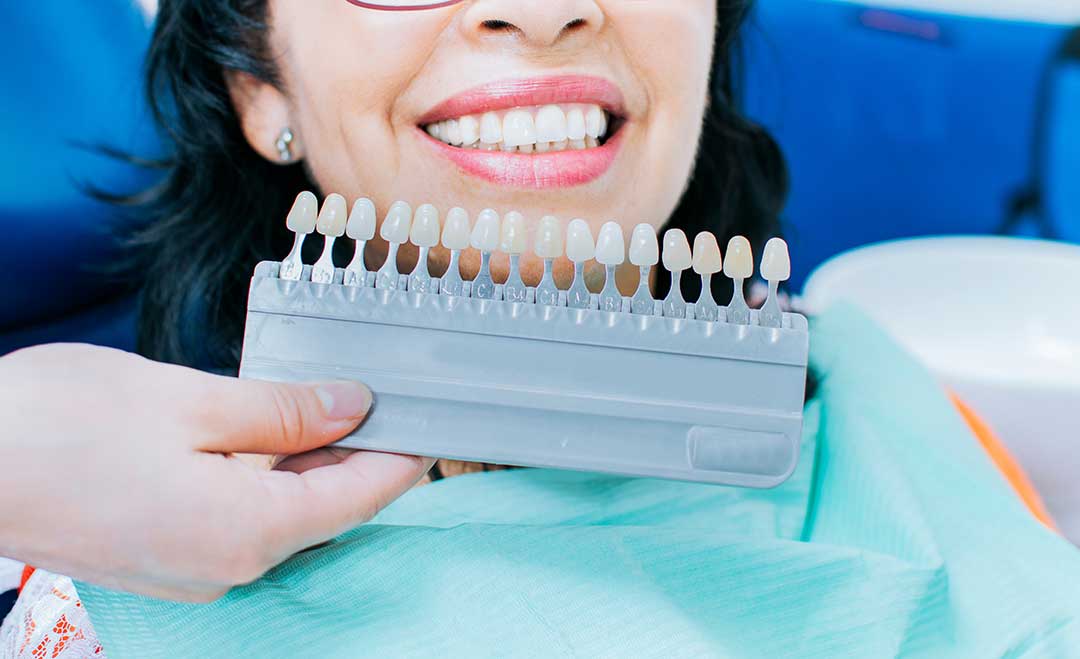
In-office care may also make it easier to distinguish an ordinary adjustment period from a problem requiring attention. Mild pressure is common, but persistent pain, gum injury, a sudden bite change, or a tray that cannot seat properly should not be ignored.
Why did the lower price of mail-order treatment appeal to people?
Remote aligner programs often reduced office visits and used standardized workflows. That could make the initial price appear lower than a traditional orthodontic plan. For some households, fewer appointments were also attractive because of work schedules, transportation needs, childcare, or seasonal demands.
Murfreesboro residents may also weigh travel time and appointment availability, particularly in households with long commutes or multiple family responsibilities. Convenience is a legitimate consideration, but it should be compared with the full cost of treatment.
Unexpected expenses can include:
- Treatment for cavities or gum disease discovered later
- Replacement trays
- Additional aligners
- Retainers
- Correction of an unwanted bite change
- In-office retreatment after an incomplete result
A lower starting price does not necessarily mean a lower total cost if treatment must later be corrected.
What should someone do if they started treatment through a closed or discontinued program?
Anyone left without access to records, replacement aligners, or a treating provider should avoid guessing at the next step. Continuing to wear an old tray indefinitely, advancing to the next tray despite poor fit, or stopping without a retention plan may allow teeth to shift or create new bite problems.
A dental examination can help determine:
- Whether the current tooth positions are stable
- Whether the gums and teeth remain healthy
- Whether the existing aligners are safe to continue using
- Whether a retainer is needed
- Whether further movement is appropriate
- Whether the original treatment needs to be redesigned
The goal is not automatically to continue the prior plan. The first priority is understanding the current condition of the teeth and bite.
Which option is safer?
For clear aligner treatment, safety depends on proper diagnosis, appropriate case selection, accurate records, patient compliance, and ongoing supervision. In-office treatment generally provides more complete opportunities for those safeguards than a fully remote model.
Clear aligners may be a reasonable option for many adults, but they are not suitable for every case. The most useful comparison is not “cheap versus expensive” or “online versus traditional.” It is whether the treatment includes enough examination, monitoring, communication, and follow-up to protect both the appearance and long-term function of the smile.