

 See My Latest Article on HelloNation

A gummy smile means that more gum tissue than expected shows above the upper teeth during smiling. It is usually a normal variation, not a disease, but a sudden change, swelling, bleeding, or gum overgrowth deserves dental evaluation because those signs may point to inflammation, medication effects, or another oral-health problem.
What causes a gummy smile?
A gummy smile can have more than one cause. The visible amount of gum depends on the teeth, gums, upper lip, jaw, and the muscles that lift the lip.
Common causes include:
- Excess gum tissue: The gums may cover more of the tooth crowns, making the teeth look shorter or more square.
- Tooth eruption patterns: Teeth may not have fully emerged into their expected position, leaving a lower-looking gumline.
- A highly mobile upper lip: Some upper lips lift substantially during smiling, exposing more gum even when the gumline and teeth are healthy.
- Tooth or jaw proportions: A shorter upper front tooth height, altered bite, or vertical jaw development can affect how much gum shows.
- Gum inflammation or overgrowth: Gingivitis, periodontal disease, orthodontic changes, and certain medicines can cause gum tissue to become puffy or enlarged. ([my.clevelandclinic.org](https://my.clevelandclinic.org/health/treatments/25208-gum-contouring?utm_source=openai))
The cause matters because treatment aimed at the gums will not correct a gummy smile primarily caused by lip movement or jaw structure.
Can a gummy smile be prevented?
A naturally high smile line cannot always be prevented, but gum swelling and preventable changes can often be reduced. Good daily care helps the gums remain firm and healthy rather than enlarged or inflamed.
Useful habits include:
- Brush twice daily with a soft-bristled toothbrush and fluoride toothpaste.
- Clean between the teeth each day with floss, interdental brushes, or another suitable device.
- Avoid brushing aggressively, which can irritate gum tissue and contribute to recession.
- Keep routine dental examinations and cleanings based on individual risk.
- Review new medications with a dental or medical provider if gum enlargement develops after starting them.
- Do not place aspirin, peroxide, or other irritating substances directly on the gums unless specifically instructed.
Murfreesboro’s seasonal shifts can make routines less consistent, especially during travel, school schedules, or summer activities. Keeping an extra toothbrush and interdental cleaner available can make daily care easier when normal routines change. Prevention cannot alter jaw growth or inherited lip movement, but it can help prevent inflammation from making gum display more noticeable.
When does gum showing suggest a health problem?
A gummy smile that has always looked the same is often an esthetic concern. A gummy smile that develops or changes over a short period should be evaluated, particularly if it comes with other symptoms.
Warning signs include:
- Red, tender, or bleeding gums
- Persistent bad breath or a bad taste
- Gum tissue that looks unusually puffy
- Loose teeth or changes in the way the teeth fit together
- Pain, pus, facial swelling, or fever
- Gum enlargement after a medication change
- A growth, ulcer, or area that bleeds easily
Inflammation-related gum enlargement may improve when the underlying gum condition is treated. However, excess tissue caused by medication, genetics, tooth position, or jaw structure may require a different approach. ([my.clevelandclinic.org](https://my.clevelandclinic.org/health/diseases/gingival-hyperplasia?utm_source=openai))
How is a gummy smile diagnosed?
Evaluation typically begins with an examination of the teeth, gums, bite, lips, and smile in several positions. Photographs or digital scans may help show the gumline, tooth proportions, and symmetry.
A dental professional may consider:
- How many millimeters of gum show at rest and while smiling
- Whether the gumline is even
- Whether the teeth appear short because of gum coverage or actual tooth wear
- Signs of decay, gum disease, or altered eruption
- Upper-lip movement and facial balance
- The position of the bite and jaw
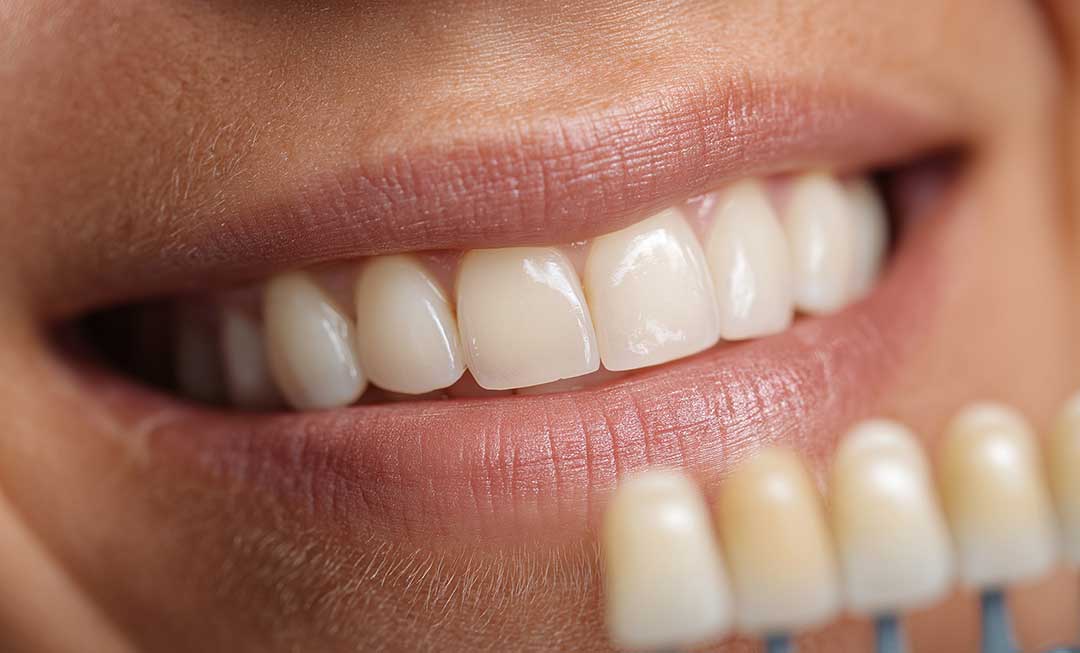
Healthy gums should be established before elective cosmetic treatment. Treating active cavities or gum disease first helps distinguish a cosmetic concern from a medical problem and supports better healing. ([my.clevelandclinic.org](https://my.clevelandclinic.org/health/treatments/25208-gum-contouring?utm_source=openai))
What treatments can reduce a gummy smile?
The appropriate treatment depends on the underlying cause rather than on the amount of gum showing alone.
Gum contouring or crown lengthening
If excess gum tissue covers healthy tooth structure, gum contouring can reshape the gumline and expose more of the natural tooth. In some cases, a small amount of bone also needs to be adjusted so the gumline remains stable. These procedures may be considered when teeth look short or the gumline is uneven.
Gum contouring is not suitable for every case. A careful examination is needed to avoid removing too much tissue or creating an unhealthy relationship between the gum and tooth. Cleveland Clinic notes that cavities and gum disease should be addressed before gum contouring. ([my.clevelandclinic.org](https://my.clevelandclinic.org/health/treatments/25208-gum-contouring?utm_source=openai))
Orthodontic treatment
Braces or clear aligners may help when tooth position or the bite contributes to excessive gum display. Orthodontic movement can sometimes improve the relationship between the teeth, gums, and lips, although it may not fully correct a gummy smile caused by lip elevation or jaw structure.
Treatment directed at upper-lip movement
In selected cases, reducing excessive upper-lip elevation may be discussed. Options can include carefully planned injections that temporarily relax certain muscles, or surgical approaches intended to limit lip movement. These methods require precise diagnosis because too much restriction can affect speech, facial expression, or smiling symmetry.
Restorative cosmetic treatment
If teeth are unusually short because of wear, damage, or their shape, bonding, veneers, or crowns may change the tooth-to-gum proportion. These treatments do not remove gum tissue and are not appropriate when healthy tooth structure is being replaced simply to disguise an untreated gum or bite problem.
Jaw surgery
A gummy smile caused largely by skeletal proportions may require evaluation for orthognathic treatment. This is a more involved option and is considered only when the jaw relationship, bite, facial function, or overall proportions justify it.
Can home remedies fix a gummy smile?
Home care can improve swollen gums, but it cannot reshape healthy gum tissue, reposition teeth, or change upper-lip movement. Whitening products, abrasive toothpaste, facial exercises, and unregulated gels do not correct the structural causes of a gummy smile and may irritate the mouth.
It is also a misconception that every gummy smile requires gum removal. Removing healthy tissue without identifying the cause can produce an uneven gumline, sensitivity, or an appearance that does not match the rest of the smile.
What should residents consider before treatment?
A useful evaluation should answer three questions:
1. Is the gum tissue healthy?
2. What is primarily causing the extra gum display?
3. What changes are realistic without damaging healthy teeth, gums, bite, or facial function?
Photos taken while smiling naturally can help track changes over time, but they should not replace an examination. For local residents, seasonal dryness, indoor heating, allergies, and changes in daily routines may affect mouth comfort and hygiene, yet these factors generally do not explain a long-standing gummy smile. Sudden swelling or bleeding should be treated as an oral-health concern rather than assumed to be cosmetic.
Sources:
- Cleveland Clinic, “Gum Contouring” ([my.clevelandclinic.org](https://my.clevelandclinic.org/health/treatments/25208-gum-contouring?utm_source=openai))
- Cleveland Clinic, “Gingival Hyperplasia” ([my.clevelandclinic.org](https://my.clevelandclinic.org/health/diseases/gingival-hyperplasia?utm_source=openai))
- Cleveland Clinic, “Periodontal Disease” ([my.clevelandclinic.org](https://my.clevelandclinic.org/health/diseases/21482-gum-periodontal-disease?utm_source=openai))