

 See My Latest Article on HelloNation
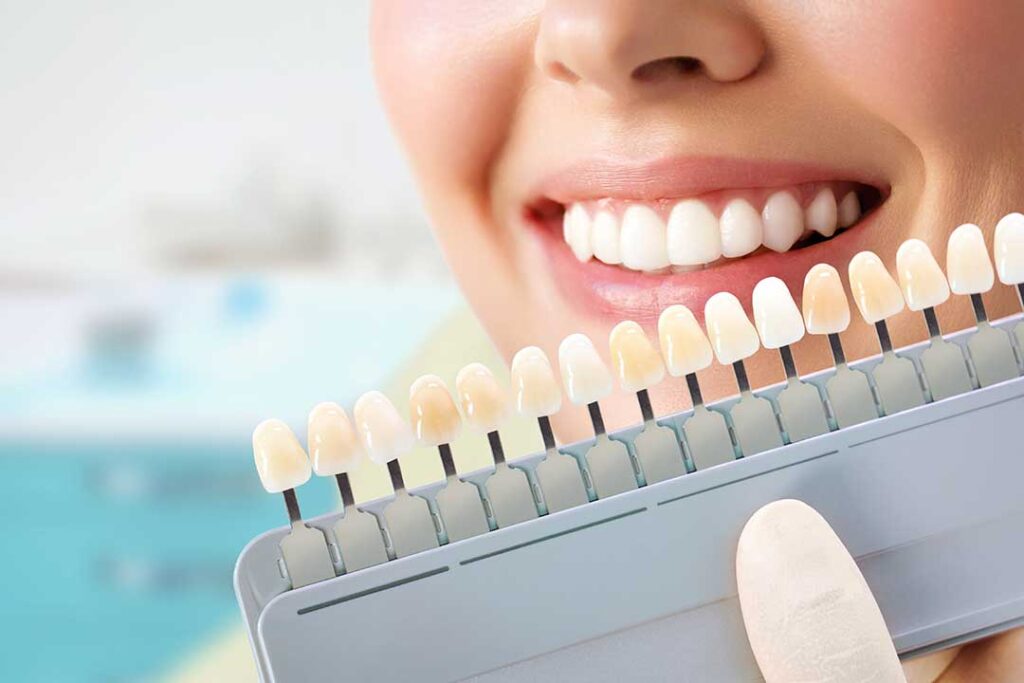
Digital Smile Design uses photographs, scans, and computer-based planning to help map how cosmetic dental changes may look before treatment begins. For residents of Murfreesboro, TN, the process can make smile planning more visual, collaborative, and tailored to individual facial features rather than based only on standard tooth shapes.
What is Digital Smile Design?
Digital Smile Design, often called DSD, is a planning method used in cosmetic and restorative dentistry. It combines facial photographs, dental images, digital impressions, and computer software to study how the teeth, gums, lips, and surrounding facial features work together.
The goal is not simply to make teeth whiter or larger. A personalized plan may consider:
- Tooth width, length, shape, and color
- The amount of tooth and gum showing during a natural smile
- The curve of the smile compared with the lower lip
- The relationship between the teeth and facial midline
- Speech, chewing, bite, and jaw movement
- A person’s preferences regarding a natural or more noticeable appearance
Traditional planning may rely heavily on physical models and still photographs. Digital planning adds the ability to combine several types of information into one visual treatment map.
How does the digital planning process work?
The exact workflow varies, but most plans begin with a detailed evaluation rather than a software simulation alone.
Photographs may be taken while the face is relaxed, speaking, smiling, and showing the teeth. These views help show how the smile behaves in real expressions. An intraoral scanner may then capture the teeth and bite without using traditional impression material.
Depending on the situation, additional records can include dental X-rays, 3D imaging, gum measurements, and video. These records help distinguish a purely cosmetic concern from an issue involving tooth structure, gum health, bite alignment, or jaw function.
The information is placed into design software. A proposed tooth arrangement can then be viewed alongside the person’s facial proportions. In some cases, a temporary mock-up is placed over the teeth so the patient can see and feel a proposed shape before permanent treatment is completed.
How does technology personalize a smile transformation?
Digital tools help move the planning process away from a one-size-fits-all model. A smile that looks balanced on one face may appear too broad, too short, or too artificial on another.
For example, software may help evaluate whether the edges of the upper front teeth follow the natural curve of the lower lip. It may also show whether the dental midline appears appropriately positioned relative to the nose, lips, and chin. These measurements are guides, not rigid rules, because facial features are rarely perfectly symmetrical.
Personalization also includes the patient’s priorities. Someone may want subtle changes that preserve existing tooth structure. Another person may be concerned about worn edges, uneven teeth, spacing, discoloration, or the appearance of a gummy smile. Digital planning gives these preferences a visual place in the discussion.
The result should be a treatment concept based on the individual’s anatomy, oral health, functional needs, and expectations.
Can a patient see the final result before treatment?
A digital preview can provide a useful estimate, but it is not a guarantee of the finished result.
Computer-generated images may not fully predict how porcelain, composite resin, gums, lips, lighting, or natural movement will look together. A still image can also appear different from a smile seen while speaking or laughing.
A physical mock-up may provide more practical information. It can show how the proposed tooth length affects the lips and how the design feels during speech. However, even a mock-up is a temporary model and may not exactly match the final materials.
Patients should treat a preview as a communication and planning tool, not as a promise or photographic contract.
Which treatments may use Digital Smile Design?
Digital Smile Design can support many types of cosmetic and restorative planning, including:
- Bonding or reshaping with composite resin
- Porcelain veneers
- Crowns or other restorations
- Tooth replacement planning
- Orthodontic alignment
- Gum contouring
- Treatment for worn, chipped, or uneven teeth
- Combined restorative and cosmetic care
It is most useful when several teeth or multiple aspects of the smile need to be considered together. A minor change to one tooth may not require an extensive digital workflow.
Digital planning does not replace basic diagnosis. Cavities, gum disease, cracked teeth, enamel loss, untreated grinding, and bite problems need to be evaluated before cosmetic decisions are finalized.
Does Digital Smile Design use artificial intelligence?
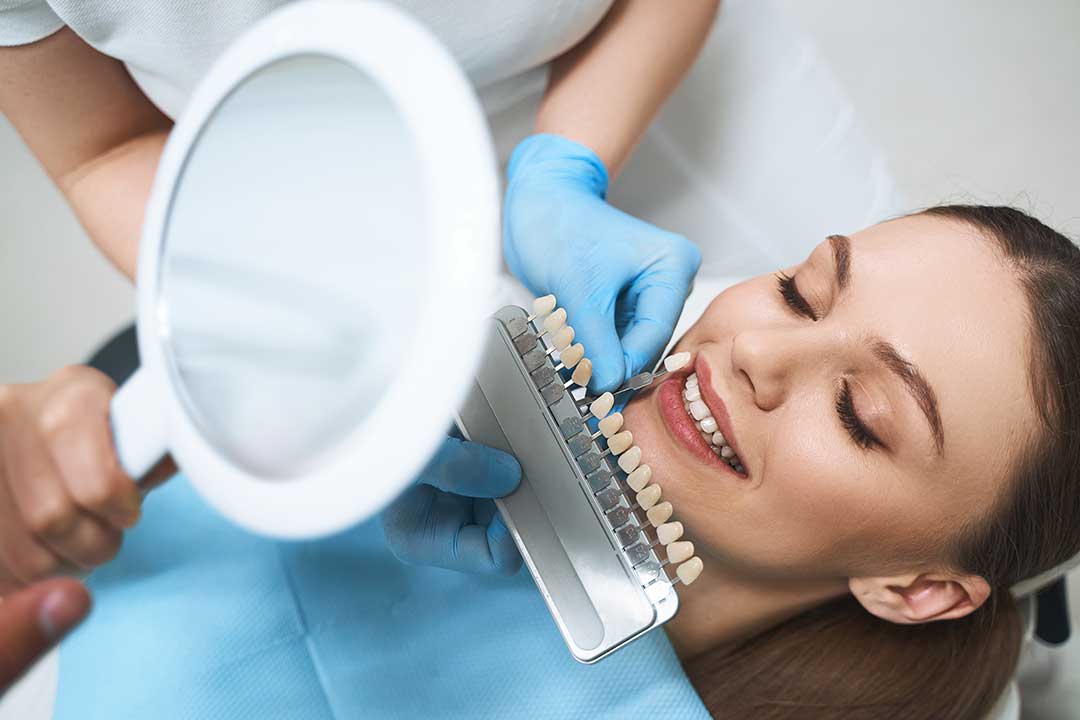
Some smile-planning systems now include artificial intelligence features. These tools may assist with facial analysis, tooth-shape suggestions, image alignment, or comparisons between different design options.
AI can process patterns quickly, but it does not understand personal preferences, medical history, comfort, long-term maintenance, or the full biological condition of the mouth in the same way a trained dental team does. A computer-generated design may look attractive on a screen while being unsuitable for the bite or too aggressive in removing tooth structure.
AI-assisted planning should therefore be viewed as support technology. The final design still requires clinical judgment and patient discussion.
What are the limitations and risks?
Digital planning can improve communication, but it does not eliminate uncertainty. A successful result depends on more than the design itself.
Important limitations include:
- Digital images can be affected by camera angle, lighting, facial expression, and software settings.
- A proposed design may not account for changes caused by aging, gum recession, tooth wear, or grinding.
- Cosmetic treatment can fail if underlying oral disease is not addressed.
- Some designs require removal of healthy enamel, while others may be completed with little or no tooth reduction.
- Restorations may need repair or replacement over time.
- A preview may create unrealistic expectations if its limitations are not explained clearly.
The most conservative appropriate option is generally worth discussing, especially for younger adults or anyone with healthy natural enamel.
What should Murfreesboro residents ask before agreeing to treatment?
A useful conversation should cover both appearance and long-term oral health. Questions may include:
- What problem is the proposed treatment intended to solve?
- Will healthy tooth structure need to be removed?
- Is the preview a simulation, a temporary mock-up, or a final design?
- How will the plan address bite, speech, tooth wear, and nighttime grinding?
- What materials are being considered, and how are they maintained?
- What happens if a restoration chips, changes color, or becomes uncomfortable?
- Are there less invasive alternatives?
- How will gum health and existing dental problems affect the timeline?
Seasonal habits can also matter in the local community. Hot and cold drinks, outdoor activities, sports, nighttime clenching, and changes in routine can expose weaknesses in an overly aggressive or poorly planned design. A durable smile plan should fit everyday life, not just look appealing in a digital preview.
Digital Smile Design is most valuable when it improves understanding and encourages thoughtful decisions. The technology can help visualize possibilities, but the strongest plans balance facial appearance, healthy tissues, function, conservatism, and realistic expectations.