

 See My Latest Article on HelloNation

Is cosmetic dentistry covered by insurance?
Usually, no. Most dental insurance plans exclude treatments performed primarily to improve appearance, such as tooth bleaching, cosmetic reshaping, and many types of veneers. Coverage depends on the specific plan, but the central distinction is whether a procedure is considered cosmetic or medically necessary. ([ada.org](https://www.ada.org/resources/practice/dental-insurance/frequently-asked-questions-regarding-dental-codes?utm_source=openai))
A dental plan is a contract, not a guarantee that every recommended treatment will be paid for. Even two plans issued by the same insurance company may have different exclusions, deductibles, annual maximums, waiting periods, and rules for alternative treatments.
For residents in Murfreesboro, reviewing the actual benefit booklet or member portal is more reliable than relying on a general statement such as “cosmetic dentistry is not covered.”
Which treatments are usually excluded?
Procedures that address appearance alone are commonly excluded. Examples may include:
- Professional tooth whitening or bleaching
- Veneers placed only to change tooth color, shape, or spacing
- Cosmetic bonding when there is no decay, fracture, or structural problem
- Elective reshaping of healthy teeth
- Replacing an acceptable restoration solely because of its color or appearance
- Some elective orthodontic or alignment treatments
The American Dental Association notes that coverage varies by plan, especially for services considered cosmetic, including tooth bleaching. A valid dental procedure code does not automatically mean the plan provides a benefit for that service. ([ada.org](https://www.ada.org/resources/practice/dental-insurance/frequently-asked-questions-regarding-dental-codes?utm_source=openai))
A treatment can also be clinically appropriate and still be excluded. Insurance companies generally determine payment according to the plan’s covered categories and limitations, not simply whether a dentist believes the treatment would improve a patient’s smile.
Can a cosmetic-looking procedure be covered if it also restores function?
Sometimes. A procedure that improves appearance while treating damage, disease, or loss of function may receive partial coverage, depending on the policy.
For example, a crown may be covered when needed to restore a badly damaged tooth, even though the finished crown also improves its appearance. Similarly, a tooth-colored restoration may be covered when it repairs decay or a fracture. The plan may still limit payment to the amount it would have paid for a less expensive covered material.
This is sometimes called an alternate benefit provision. Under such a provision, the plan may calculate its payment using another covered treatment rather than the exact option selected. The patient may be responsible for the difference. ([ada.org](https://www.ada.org/resources/practice/dental-insurance/least-expensive-alternative-treatment-clause?utm_source=openai))
Coverage is more likely to be considered when documentation shows a health-related purpose, such as:
- Restoring chewing ability
- Replacing a missing tooth
- Protecting a weakened tooth
- Repairing damage caused by an accident
- Treating decay, infection, or significant wear
- Restoring speech-related function in an appropriate clinical situation
That does not mean approval is automatic. The policy language and submitted documentation control the claim decision.
Are veneers ever covered?
Veneers are frequently excluded when they are used only for cosmetic changes. A plan may not pay for veneers that correct minor discoloration, small spaces, uneven edges, or naturally shaped teeth.
Coverage may be different when a similar restoration is required because of substantial trauma, developmental abnormalities, or serious structural damage. Even in those circumstances, the insurer may approve another restoration instead of a veneer or may apply an alternate benefit.
The wording in the plan matters. Look for terms such as “cosmetic services,” “esthetic procedures,” “alternate benefits,” “least costly alternative,” and “services not covered.” A dental office may submit supporting records, but the insurer makes the benefit determination under the policy.
What about crowns, bonding, or whitening?
Crowns
Crowns are generally categorized as restorative rather than cosmetic when they repair a tooth that is extensively damaged, decayed, cracked, or weakened after treatment. Plans may impose waiting periods, frequency limits, replacement restrictions, or requirements for documentation.
Bonding
Bonding may be covered when it repairs decay, a fracture, or another documented problem. Bonding performed solely to improve the appearance of healthy teeth is more likely to be excluded.
Whitening
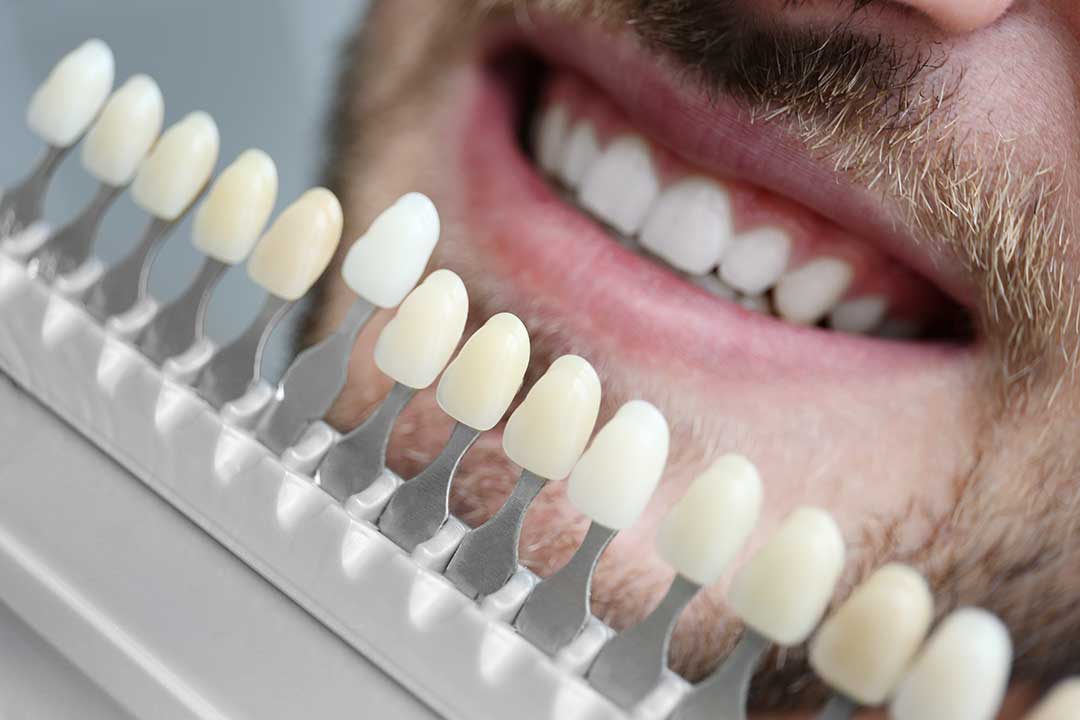
Whitening is generally considered elective cosmetic treatment and is commonly paid entirely by the patient. Dental insurance rarely treats bleaching as preventive or restorative care. ([ada.org](https://www.ada.org/resources/practice/dental-insurance/frequently-asked-questions-regarding-dental-codes?utm_source=openai))
Does medical insurance cover cosmetic dental work?
Ordinary medical insurance usually does not cover elective dental appearance treatments. Health plans and dental plans are separate forms of coverage, and adult dental benefits are not required as an essential health benefit under the federal Marketplace rules. Some health plans include adult dental benefits, while others require a separate dental plan. ([healthcare.gov](https://www.healthcare.gov/coverage/dental-coverage/?utm_source=openai))
Medical insurance may become relevant when dental or oral treatment is part of a covered medical condition, injury, surgery, or congenital problem. Examples can include treatment connected with facial trauma, a tumor-related procedure, or certain congenital abnormalities. The medical policy’s definition of covered care must be reviewed separately from the dental policy.
What should patients verify before starting treatment?
A written pre-treatment estimate can help, but it is not always a final guarantee of payment. Before proceeding, verify:
- Whether the procedure is listed as covered, excluded, or limited
- Whether the plan considers it cosmetic
- The deductible and coinsurance
- The remaining annual maximum
- Any waiting period
- Frequency or replacement limitations
- Whether an alternate benefit will be used
- Whether the treatment must be performed by an in-network dentist
- Whether a claim requires X-rays, photographs, or a clinical narrative
- Whether medical and dental insurance coordination is possible
Ask the insurer specific questions using the procedure name and, when available, the dental procedure code. A general question such as “Are veneers covered?” may produce an incomplete answer because coverage can depend on the tooth, diagnosis, material, and reason for treatment.
What if a claim is denied?
A denial does not necessarily mean the treatment was unnecessary. It may mean the plan excludes the service, requires more documentation, applies an alternate benefit, or has reached a yearly limit. The American Dental Association explains that plans may deny services even when the treatment is clinically necessary if the benefit contract does not include that category of care. ([ada.org](https://www.ada.org/-/media/project/ada-organization/ada/ada-org/files/resources/practice/dental-insurance/responding-to-claim-rejections.pdf?hash=557F52E2FBE6309796B86399BD5715E5&rev=91c7dce549b243949ff62cb845d5852d&utm_source=openai))
Review the explanation of benefits and identify the exact denial reason. If the procedure treated damage, disease, injury, or loss of function, an appeal may be possible with supporting records such as:
- Diagnostic X-rays
- Clinical photographs
- Periodontal or dental charting
- Notes describing pain, fracture, decay, or functional limitations
- A narrative explaining why the treatment was needed
- Information about prior treatment or an accident
The appeal deadline is set by the plan, so the explanation of benefits should be retained and reviewed promptly.
What is the practical answer for households in Murfreesboro?
Most purely appearance-focused dental work will need to be paid out of pocket. Restorative treatment that also improves appearance may receive some insurance support, but the amount depends on the diagnosis, procedure, plan design, annual limits, and alternate-benefit rules.
The safest assumption is not that a procedure is covered or excluded based on its appearance. Instead, check the policy’s exclusions, request a written estimate of benefits, and confirm the patient’s expected share before treatment begins.