

 See My Latest Article on HelloNation
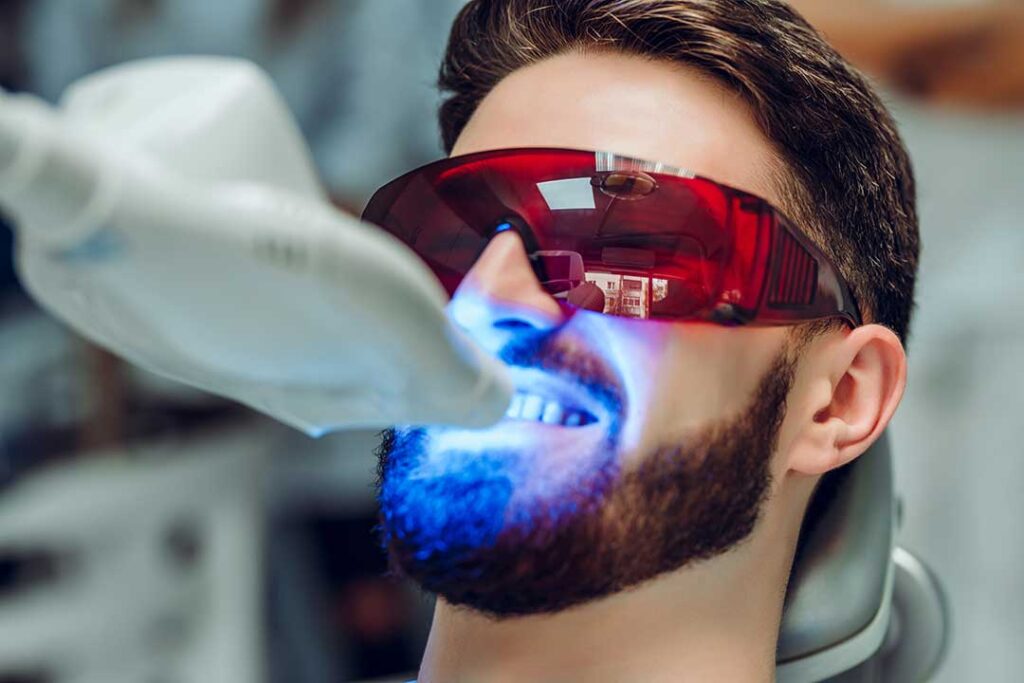
Why Do Teeth Change Color?
Teeth can lose their bright, natural appearance for several reasons, often linked to daily habits, dietary choices, and environmental factors. For Murfreesboro, TN, locals, these causes are influenced not only by personal routines but also by factors like common regional beverages and seasonal activities.
Most discoloration falls into two types:
- Extrinsic stains: Surface stains usually from food, drinks, and tobacco.
- Intrinsic stains: Deeper changes within the tooth, often from trauma, medication, or aging.
Understanding what causes these changes helps prevent or reduce unwanted yellowing or staining.
What Foods and Drinks Are Common Culprits?
Many beloved snacks and beverages can stain teeth over time. Items enjoyed in Murfreesboro, such as iced tea on a hot summer day or locally brewed coffee during a morning commute, contain pigments and acids that can penetrate enamel.
Common stain-causing foods and drinks include:
- Coffee, tea (including sweet tea), and red wine
- Soft drinks (especially colas and dark sodas)
- Berries, beets, cherries, and pomegranates
- Tomato-based sauces and curries
- Soy sauce and balsamic vinegar
Repeated exposure without rinsing or brushing afterward increases the risk of surface stains, especially if sipping drinks throughout the day. Using a straw or rinsing with water after consuming stain-prone items lessens contact with enamel.
Does Tobacco Use Cause Tooth Discoloration?
Both smoking and chewing tobacco are well-known for causing yellow or brown discoloration. Nicotine, tar, and other chemicals bind to tooth surfaces and seep into microscopic cracks in enamel. Even occasional use leads to persistent stains that can be difficult to remove with regular brushing alone.
Locally, tobacco use remains a factor for many area households. Reducing or eliminating tobacco use not only benefits dental aesthetics but also supports long-term oral health and overall well-being.
Can Medications or Medical Treatments Cause Teeth to Darken?
Some prescription and over-the-counter medications can affect enamel color, especially if used during childhood when permanent teeth are forming. Tetracycline antibiotics, certain antihistamines, and blood pressure medications can all contribute to intrinsic staining.
Radiation and chemotherapy used to treat cancers affecting the head and neck area may also alter the appearance of teeth. These changes often result in gray or brown discoloration, which bleaching-based solutions may not fully correct.
Informing your healthcare provider about cosmetic concerns can sometimes help explore alternatives or tailored dental care plans.
How Does Age Affect Tooth Color?
As people in Murfreesboro get older, teeth naturally darken due to a thinning enamel layer and the slow accumulation of stains over decades. The underlying dentin layer, which is yellower and darker than enamel, becomes more visible as enamel wears down.
This process is gradual but universal, impacting most adults regardless of lifestyle. Practicing consistent dental hygiene and attending routine dental checkups can slow the rate of age-related discoloration.
Are Local Water or Environmental Factors Involved?
In Murfreesboro, municipal water is regulated and generally contains fluoride within recommended levels, supporting healthy enamel. However, in some communities with private wells or unusual mineral content, excessive fluoride can sometimes contribute to white or brown spots known as dental fluorosis. This is rare but more likely in households where well water isn't regularly tested.
Area residents might also encounter occasional high-iron water, which may leave rusty staining on ceramics but typically doesn't affect natural teeth unless oral hygiene is severely lacking.
What Oral Hygiene Mistakes Lead to Stains?
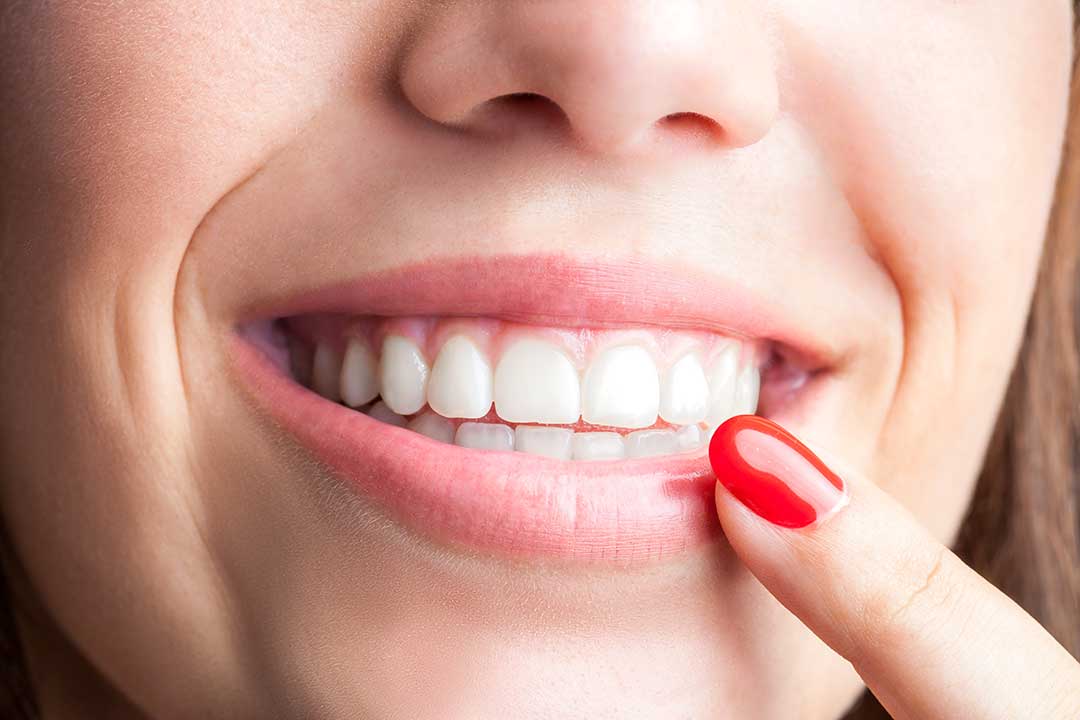
Simple lapses at home—like irregular brushing, skipping flossing, or rarely cleaning the tongue—can hasten the buildup of plaque and tartar. This film traps pigments, especially around the gum line or between teeth, causing uneven, patchy discoloration.
Locals may overlook these subtle effects, especially in busy households or among teens with orthodontic appliances. Prioritizing daily brushing with a fluoride toothpaste, flossing, and scheduling regular professional cleanings makes a noticeable difference over time.
Do Sports or Outdoor Activities Affect Tooth Color?
For active families and athletes in Murfreesboro, oral injuries are not uncommon. Trauma from sports accidents or falls may not only chip enamel but can also darken a single tooth if the nerve is damaged. A tooth that turns gray, blue, or even purple after an incident should be evaluated, as this kind of discoloration doesn't fade with regular cleaning.
Wearing properly fitted mouthguards during high-contact sports, including football and baseball, helps protect against impact-related color changes.
How Can Tooth Discoloration Be Prevented at Home?
Most everyday stains can be managed or prevented through small changes:
- Rinse your mouth with water after eating or drinking stain-prone foods and beverages
- Brush teeth at least twice daily, and floss every day
- Replace your toothbrush every three to four months, or sooner if bristles wear out
- Consider limiting strong staining drinks or use a straw when possible
- Avoid tobacco products entirely for both health and cosmetic reasons
Awareness of the connection between habits and tooth color makes it easier to choose approaches that keep smiles bright, even with the region's favorite foods and pastimes.
What Are Common Misconceptions About Whitening?
Many expect whitening toothpaste or home kits to work quickly on every type of stain. These solutions help with surface-level stains but have little effect on intrinsic discoloration, such as those caused by medication or aging. Overuse of abrasive toothpastes may even wear enamel down further, making underlying yellow dentin more visible.
Baking soda, charcoal, and similar home remedies are often too harsh and can lead to sensitivity and enamel loss, particularly when used long-term.
Routine dental cleanings and a careful evaluation of the causes behind discoloration help determine the safest, most effective strategy for each person in the community.