

 See My Latest Article on HelloNation
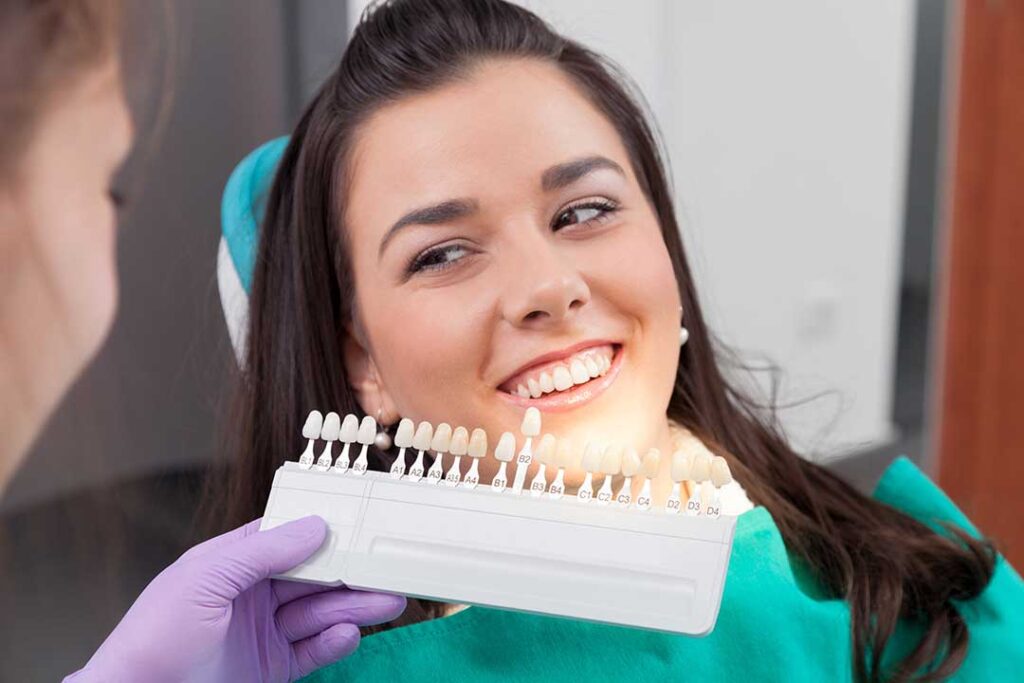
What’s the Difference Between Cosmetic Bonding and Veneers?
Cosmetic bonding and dental veneers both address chipped, stained, or slightly misaligned teeth—but they’re not the same. Bonding involves molding a tooth-colored resin directly onto existing teeth, while veneers use thin, custom-made shells crafted from porcelain or resin that cover the front surface of the teeth.
In Murfreesboro, these options are often considered by people seeking to enhance their smile without major orthodontic work. Bonding is typically completed in a single visit and addresses minor flaws. Veneers, by contrast, require more planning and preparation but can provide dramatic, long-lasting results.
Which Issues Can Each Method Treat?
Both bonding and veneers are used for similar concerns, but their effectiveness and durability vary based on the issue.
Bonding can quickly improve:
- Small chips
- Isolated discoloration spots
- Slight spaces between teeth
- Minor shape irregularities
Veneers are more effective for:
- Multiple visible teeth needing uniform results
- Significant discoloration unresponsive to whitening
- Moderate to larger gaps or crookedness
- Uneven tooth size or shape
In the local context, residents commonly choose bonding for fast touch-ups, such as after minor accidents at school or during sports. Veneers are chosen for more comprehensive smile transformations after years of wear, or for cases where stains are deeply set from well water or previous dental procedures.
How Long Do the Results Usually Last?
Bonding usually lasts 3–7 years on average, while veneers tend to last 10–15 years or longer with careful maintenance.
The relatively humid climate in Murfreesboro doesn’t directly affect the lifespan of either treatment, but habits common in the area—like sipping sweet tea, chewing ice, or snacking on crunchy foods—can affect how long results will look their best. Bonding is more prone to staining and chipping, especially for those with strong bite pressure. Veneers are less likely to become stained, but can still crack if subjected to hard impacts.
What Is the Procedure Like for Each Option?
Bonding is typically finished in one dental visit and requires little or no alteration to the natural tooth. The resin is shaped, hardened, and polished right in the dental chair, making it a convenient choice for busy schedules.
Veneers require planning and usually two or more visits. At the first visit, a small layer of enamel is removed, and an impression is taken. Temporary coverings are often used while a laboratory custom-makes the final veneers. The second visit involves bonding the veneers to the teeth for a seamless finish.
For residents with tight schedules or those seeking same-day changes, bonding may feel more accessible. Veneers require more commitment but achieve a more dramatic and uniform transformation.
Do Both Methods Require Changes to Natural Teeth?

Bonding preserves natural tooth structure almost completely, making it a reversible and less invasive process. Veneers require removal of a thin layer of enamel—permanent, but minimal. This makes veneers a better fit for those comfortable with a slight and irreversible change for longer-term benefits.
Residents who worry about permanent alterations may prefer bonding to start, reserving veneers for later if needed.
How Does Cost Compare?
Bonding is generally the more affordable option per tooth, as it doesn’t involve lab work. Veneers cost more upfront due to material quality, customization, and multiple appointments.
Many area households choose bonding for small repairs or when working with a limited budget. Veneers represent a larger investment, often chosen for broader smile makeovers when durability and aesthetics are priorities.
Dental insurance typically classifies both as cosmetic, which means most costs are out of pocket. However, if damage is due to an accident or medical need, partial coverage may sometimes apply—residents should verify with their specific plans.
What’s the Maintenance and Aftercare Like?
Good hygiene is essential for both treatments—regular brushing, flossing, and checkups help extend results. Bonding is more prone to staining from coffee, tea, red wine, and tobacco; veneers are more resistant but not completely immune.
The community’s love of outdoor sports and local cuisine means avoiding habits like crunching ice, opening packages with teeth, or biting into hard candies is especially important. If a tooth is chipped or damaged, local dentists can usually repair bonding easily, while veneer repairs may be more complex.
Are There Any Significant Risks or Downsides?
The primary risk of bonding is chipping or staining, while veneers are a permanent change to the teeth and may eventually require replacement. Both methods require healthy teeth and gums as a foundation.
Local factors—such as those using mouthguards for area sports or nightguards for grinding—should mention these habits, as they may impact longevity or candidacy for either treatment.
How Can Local Residents Decide Which Option Fits Best?
Residents of Murfreesboro should weigh factors like urgency, budget, and long-term goals. Bonding is ideal for quick fixes and minor issues; veneers are better for a complete smile makeover or when durability is a top concern.
Seasonal events in the city, such as graduations, reunions, and weddings, often drive people to seek fast solutions, making bonding appealing. Others may prefer the transformative potential of veneers for lasting confidence.
Anyone considering cosmetic work should also factor in everyday habits—like diet, oral hygiene, sports participation, and use of whitening products—to make the most informed and satisfying choice.